Great outdoor furniture makes a patio comfortable at noon, but thoughtful lighting is what turns an ordinary deck or backyard concrete pad into a place everyone lingers long after sunset. Many homeowners make the mistake of flipping on a single harsh back-porch floodlight. Instead of creating inviting warmth, bright overhead security bulbs flatten shadows, attract swarms of moths straight toward the dinner table, and wash out the cozy textures of wood, stone, and greenery.
Lighting designers solve this indoors by layering ambient, task, and accent light—and the exact same three-layer philosophy transforms outdoor living spaces dramatically. When light arrives from multiple low-glare heights at consistent warm color temperatures, even a compact townhouse patio feels intimate, deep, and resort-like. Here is how to plan, select, and layer outdoor lighting for unforgettable evening gatherings.
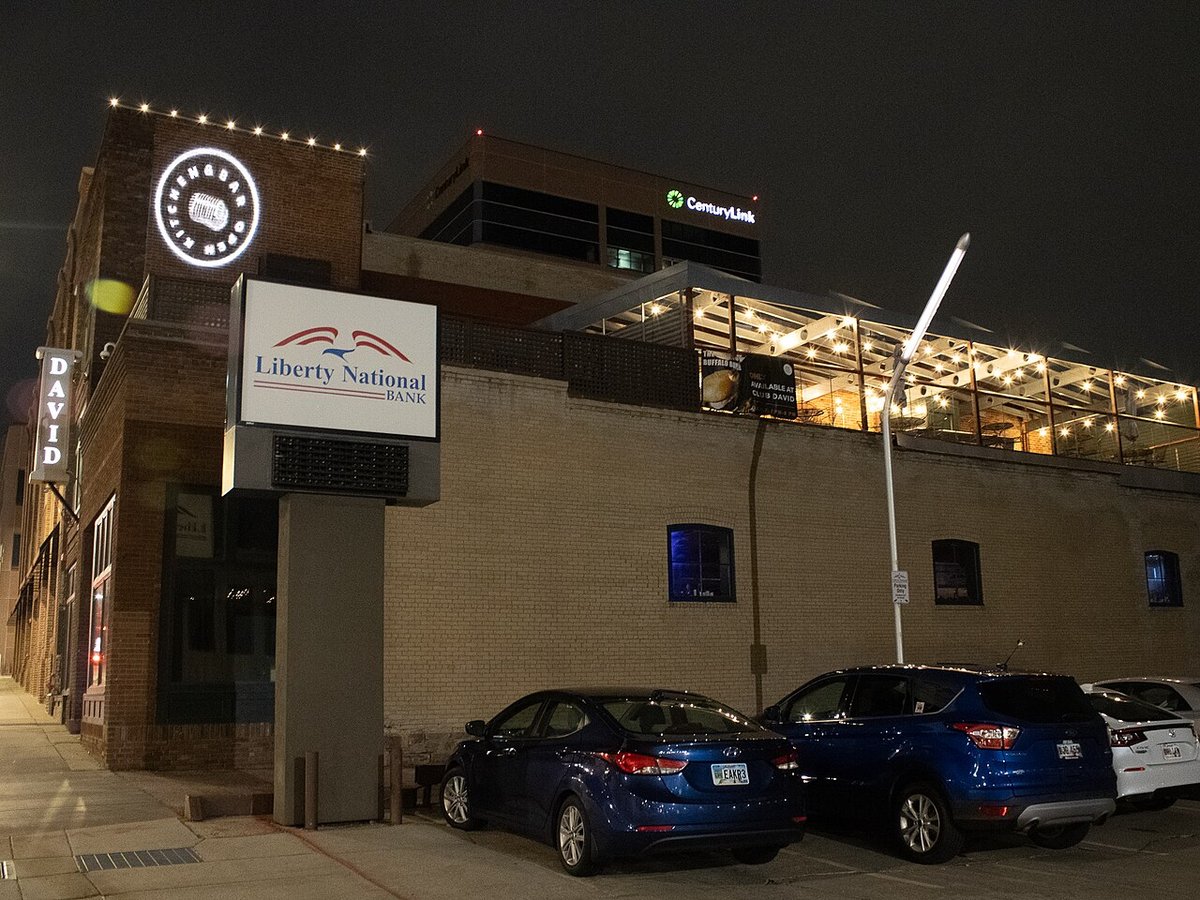
Understand Color Temperature First: Why 2700K Wins Outdoors
Before buying a single string of bulbs or path fixture, check the Kelvin (K) rating printed on the box. Outdoor lighting fails visually more often from mismatched color temperatures than from insufficient wattage:
- 2200K to 2700K (Warm Amber / Soft White): Mirrors candlelight, Edison filaments, and firelight. Skin tones look healthy and relaxed around the dining table, and natural wood cedar, terracotta planters, and flagstone glow warmly.
- 3000K (Warm Neutral): Crisp enough for outdoor kitchen prep counters and grilling stations without looking sterile against adjacent dining seating.
- 4000K to 5000K+ (Cool White / Daylight): Best reserved strictly for motion-activated security lighting along driveways or side alleys—never over conversational lounge chairs or dining areas, where cool blue tones feel clinical and harsh.
Stick within a tight 2200K–2700K window across every decorative fixture visible in the same sightline so your patio looks calm and intentional.
Layer 1: Ambient Overhead Glow Without Glare
Ambient lighting establishes the overall comfort level of the patio so guests can read menus, recognize expressions easily, and move safely without feeling like they are sitting under an interrogation spotlight.
Market Bistro String Lights Done Right
Commercial-grade café string lights remain a backyard classic for good reason: spaced warm bulbs overhead mimic a starry canopy and visually enclose an open yard like an invisible ceiling. To make string lights look tailored instead of tangled:
- Choose heavy-duty 14-gauge or 16-gauge weatherproof SJTW rubber cords with shatterproof polycarbonate S14 LED bulbs rated for wet outdoor use.
- Run stainless steel aircraft guide wire (
1/16"or1/8"vinyl-coated cable) with turnbuckles before clipping cords along long spans—this prevents sag and protects socket splices during high winds. - Follow crisp geometric layouts: a clean Z-pattern, V-pattern converging toward the house fascia, or an X-cross directly above a pergola rather than random drooping loops.
- Add an outdoor-rated smart dimmer plug. Running bulbs at 35% to 50% brightness transforms glare into effortless candlelight ambiance after dinner plates are cleared.
Downward Wall Sconces and Pergola Pendants
Along house siding, pick dark-sky-friendly architectural sconces that cast light downward onto brick or stucco rather than blasting bare glass globes horizontally into guests’ eyes. Beneath covered pergolas or gazebos, woven rattan or matte powder-coated metal pendants hung on damp-rated cord kits anchor dining tables just like an indoor dining chandelier.
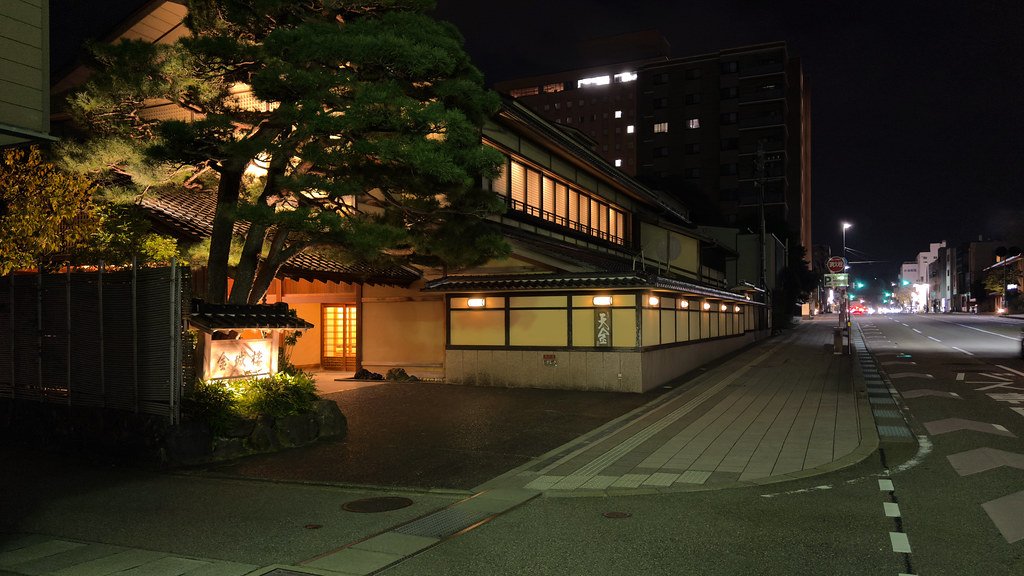
Layer 2: Task Lighting for Cooking, Pouring, and Safe Steps
Even the coziest lounge corner needs focused, functional illumination where hands work and feet step. Task lighting handles practical jobs quietly so you never have to flood the entire yard just to check whether burgers are medium-rare.
Grill and Outdoor Kitchen Illumination
Aim dedicated 3000K task light straight onto prep surfaces and grill grates. Under-counter LED tape light tucked cleanly beneath overhanging granite bar lips washes stone fronts softly while keeping food prep zones bright and shadow-free. Clamp-on or magnetic LED grill handle lights fill the gap for freestanding smokers and charcoal kettles.
Step, Stair, and Border Edge Safety
Tripping hazards spoil gatherings fast. Conceal low-voltage 12V LED step lights underneath stair treads, cap-stone overhangs, or seating wall ledges so beams wash directly downward onto walkway pavers. Grazing the ground reveals elevation changes cleanly without blinding anyone climbing up toward the deck.
Layer 3: Accent Lighting for Depth, Trees, and Focal Points
When a patio is brightly lit inside its perimeter while everything beyond the railing drops into pitch darkness, your backyard feels boxy and cramped—almost like sitting inside a fishbowl at night. Accent lighting reaches softly into surrounding beds and vertical trees, expanding the perceived footprint of your yard.
- Uplighting specimen trees and privacy hedges: Place low-voltage brass spot fixtures at the base of multi-trunk birch, Japanese maple, or olive trees, aiming gently upward into the canopy. Even dim ambient foliage glow pushes visual boundaries outward by thirty feet.
- Shadow-casting lanterns and cordless table lamps: Scattered hurricane lanterns or USB-rechargeable cordless table lamps on coffee tables and side pedestals bring intimate table-level sparkle wherever cords cannot reach.
- Water feature and fire element balance: If you run a tabletop fire bowl or wood-burning pit, dim nearby string lights below 30% so flickering flames remain the primary visual heartbeat rather than competing against static LEDs.
Low-Voltage vs. Line-Voltage vs. Solar: Choosing the Reliable Backbone
Homeowners frequently debate between low-voltage hardwired transformers, plug-in smart strings, and solar stakes. Understanding where each shines saves frustration later:
- 12V Low-Voltage Landscape Systems (Best overall backbone): Safe to install yourself with shallow buried direct-burial wire (
12/2or14/2), dependable year-round regardless of cloudy winter days, and expandable via a multi-tap outdoor transformer with built-in photocell dusk-to-dawn timers. - 120V Plug-In GFCI Circuits (Best for string lights & smart plugs): Always plug outdoor cords into weatherproof in-use bubble covers (
WR/GFCIprotected outlets) so rain never trips breakers mid-party. - Solar Path & Accent Lights (Best for distant borders only): Modern monocrystalline solar lanterns and deck caps work nicely along sunny south-facing fence lines, though cheap plastic stakes often dim rapidly after four hours or under dense tree shade. Use solar as supplemental sparkle rather than your sole source of stairway safety.
Avoid Classic Backyard Lighting Pitfalls Before Mounting Anything
Walking a planned patio at dusk with a couple of extension cords and clamp lights before drilling into fascia boards or stone pillars prevents costly visual missteps. Watch closely for three common layout mistakes:
- The Runway Effect: Spacing identical path lights every four feet in a dead straight soldier line along both sides of your concrete sidewalk makes a residential home look like an airport tarmac. Stagger low path mushrooms asymmetrically every 8 to 10 feet only at curves, landings, and key garden beds where shadow contrast matters.
- Blinding Window Reflections: Aiming bright spotlights straight toward glass sliding doors or indoor living room windows turns glass into black mirrors at night—making indoors feel claustrophobic instead of connected to the patio. Angle beam shields gently away from architectural glazing.
- Over-Lighting Every Inch: Contrast creates romance. Leave quiet patches of shadow between flower beds and perimeter fences so focal points—a birch canopy, textured limestone fireplace, or glowing dining table—command attention naturally.
Practical Spacing, Wattage, and Glare-Shield Guidelines
Use these designer rules of thumb when unboxing fixtures:
- Keep path fixtures modest in output: For walkways and flower beds, choose 100 to 200 lumen warm LEDs (roughly 1.5W to 3W). Anything above 300 lumens near eye level steals dark adaptation quickly.
- Match beam angles to target objects: Use narrow 15°–25° spotlights to reach tall architectural stone columns or 25-foot tree trunks, and wider 35°–60° flood optics to softly wash broad privacy hedges or horizontal stone seat walls.
- Hang café bulbs at safe clearances: Mount lowest string sag points at least 7.5 to 8 feet above finished walking paths so tall guests and umbrellas pass comfortably underneath, and anchor eye-bolts into solid structural blocking or fascia rafters rather than hollow vinyl siding.
Quick Planning Checklist Before You Buy Outdoor Fixtures
Sketch your backyard footprint on graph paper—or mark dimensions in chalk directly onto concrete pavers at twilight—and check five items before clicking “checkout” on transformers or string cords:
- Measure cord paths honestly: Measure exact zigzag string spans from house junction box out to fence posts or pergola rafters, plus vertical drop down to the nearest GFCI outlet, and add 15% slack for slight natural drape.
- Calculate total transformer wattage properly: Add the watt rating of every 12V LED path light, step fixture, and tree uplight on a run, then size your multi-tap low-voltage transformer so total load stays under 80% of rated capacity (for example, keep total LED load under 120W on a 150W transformer so long wire runs keep crisp brightness).
- Confirm damp vs. wet location ratings: Fixtures mounted beneath a solid roofed veranda need UL Damp Location certification; anything exposed directly to driving rain, lawn sprinklers, or snow drifts requires full UL Wet Location sealing.
- Match metal patinas to house trim: Raw brass, oiled bronze, and matte charcoal aluminum blend silently into foliage by daylight, whereas bright shiny chrome stakes stand out artificially across mulch beds.
Seasonal Maintenance for Crisp All-Weather Glow
Even coastal brass and stainless outdoor fixtures benefit from ten minutes of spring and autumn care. Gently wipe glass lenses and polycarbonate string globes with mild dish soap and microfiber cloth every season—mineral sprinkler deposits and pollen film cut light output by up to 30% over a single summer. Trim creeping groundcover away from brass path hats, inspect silicone waterproof wire connectors (DBY grease-filled wire nuts) after winter frost heave, and keep three spare 2700K S14 shatterproof bulbs tucked in the garage so a quick dinner celebration never pauses over a burned-out socket.
Control Zones and Bug Reduction Smart Tricks
Wire or smart-group your patio into at least three independent switching zones: String Lights, Landscape / Path Accents, and Grill / Porch Work Light. Grouping everything onto a single wall switch forces an all-or-nothing choice between cave-dark and stadium-bright. Smart outdoor dimmer plugs let you tap a single “Dinner Mode” or “Late-Night Fire Pit” scene from your phone.
Check dusk-to-dawn astronomical smart switches too: instead of leaving patio lights blazing until sunrise, set an automatic “Bedtime Off” curfew around 11:30 p.m. while keeping only faint stair tread lights running for late-arriving family members—saving energy and honoring neighbors’ dark night skies.
Finally, remember that insects see ultraviolet and cool blue wavelengths much better than warm amber light. Switching porch bulbs from daylight white to 2200K–2700K warm LEDs—or stepping outdoor string bulbs down slightly toward rich 2200K amber—immediately cuts evening bug traffic around seating zones, letting everyone stay outside comfortably until the last embers cool down.