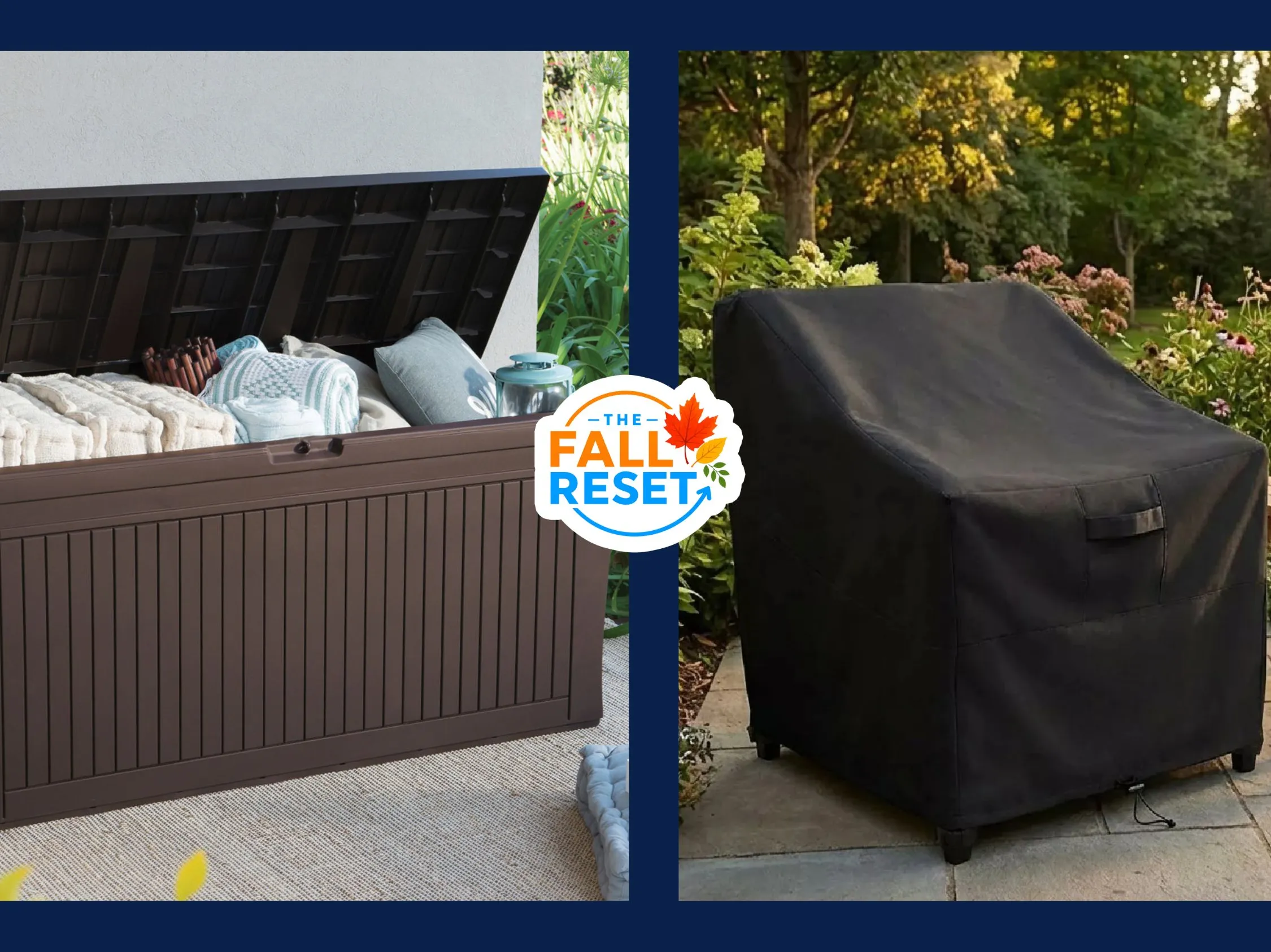
Outdoor furniture is built to spend time outside.
That does not mean it should be left completely unprotected through every season.
Rain, direct sun, dirt, moisture, falling leaves, freezing temperatures, and long periods of nonuse can all take a toll on patio furniture and cushions. Even pieces designed for outdoor use will usually look better and last longer when they receive a little seasonal care.
The good news is that protecting your patio setup does not require moving an entire dining set into the house every time the weather changes.
A few practical habits can make a big difference.
Here is how to store outdoor cushions, protect different furniture materials, and prepare your patio for periods when you will not be using it regularly.
Start by Cleaning Everything
Do not store dirty outdoor furniture for several months.
Dust, pollen, food crumbs, bird droppings, and other debris become much harder to deal with after sitting on a surface for an entire season.
Before storing anything, give the furniture a thorough cleaning.
Remove loose debris first with a soft brush or cloth.
Then clean each piece using a method appropriate for its material.
This may involve mild soap and water for many surfaces, but always check the manufacturer’s care instructions before using a cleaning product.
Pay particular attention to:
- Tabletop edges
- Chair joints
- Underneath seats
- Furniture feet
- Cushion seams
- Areas where leaves collect
- Spaces between woven materials
Small amounts of dirt can hold moisture, so storing furniture clean is about more than appearance.
Let Furniture Dry Completely
This is one of the most important steps.
Never cover or store patio furniture while it is still damp.
Trapped moisture can create an environment where mildew, odors, rust, or other deterioration becomes more likely.
After washing furniture, allow plenty of time for it to dry.
Move cushions into a sunny or well-ventilated area when appropriate and stand them on their edges so air can circulate around them.
Check seams and undersides as well.
A cushion may feel dry on top while moisture remains underneath.
Waiting a little longer before storage is much easier than opening a storage box months later and discovering everything smells damp.
Remove Cushions Whenever Possible
Outdoor cushions are usually more vulnerable to long-term weather exposure than the furniture frames beneath them.
Even fabrics designed for outdoor use can gradually fade, collect dirt, or remain damp after repeated rain.
If you know the patio will not be used for weeks or months, remove the cushions rather than leaving them outside unnecessarily.
This applies to:
- Dining chair cushions
- Lounge cushions
- Outdoor sofa cushions
- Throw pillows
- Seat pads
Removing them also allows you to clean the furniture underneath more easily.
Clean Cushion Covers Before Storage
Check whether your cushion covers can be removed.
If they can, follow the care label.
Some covers may be washable, while others require spot cleaning.
Do not automatically place an outdoor cushion cover in a washing machine simply because it has a zipper. Construction and fabric treatments vary.
If the cover cannot be removed, vacuum or brush away loose debris and spot clean the cushion according to its instructions.
The important thing is to remove stains and food residue before storage.
A small mark in September can become a much more stubborn stain by spring.
Choose a Dry Storage Location
Outdoor cushions should ideally be stored somewhere dry and protected.
Possible locations include:
- A garage
- A shed
- A basement
- A weather-resistant deck box
- A dedicated outdoor storage cabinet
Wherever you choose, the priority is keeping cushions away from prolonged moisture.
If you use an outdoor storage box, make sure it is designed for the conditions in your area and inspect it occasionally for water intrusion.
A storage container is useful only if the contents inside stay dry.
Do Not Compress Cushions More Than Necessary
It can be tempting to squeeze large outdoor cushions into the smallest possible storage area.
Try not to crush them for months at a time.
Long-term compression may affect their shape, especially with thicker seat and back cushions.
Stack cushions loosely when you have enough space.
Place heavier cushions at the bottom and avoid piling unrelated heavy objects on top.
When possible, store cushions in the position that best helps them keep their original shape.
Use Breathable Storage When Appropriate
Wrapping cushions tightly in ordinary plastic may seem like a good way to keep moisture out.
The problem is that if any moisture is already inside, plastic can also keep it there.
For indoor storage in a dry area, breathable storage bags or clean fabric covers can help protect cushions from dust while still allowing some airflow.
Whatever storage method you use, make sure the cushions are completely dry first.
No storage bag can compensate for putting away damp fabric.
Protect Furniture Based on Its Material
Not all outdoor furniture needs the same treatment.
A teak dining table has different maintenance needs from a powder-coated aluminum chair or synthetic wicker sofa.
Understanding the material helps you avoid unnecessary work—and prevents using a product that could damage the surface.
Wood Outdoor Furniture
Outdoor wood furniture can develop a beautiful aged appearance, but repeated exposure to moisture and sunlight can also change the surface over time.
Before seasonal storage:
- Clean the wood.
- Allow it to dry fully.
- Inspect for loose fasteners or damaged areas.
- Follow the manufacturer’s recommendations for oil, stain, or protective treatment if required.
Do not automatically apply oil to every wood product.
Different wood species and finishes have different maintenance needs.
If the furniture will remain outside, use a suitable cover and try to keep the feet from sitting in standing water.
Teak Furniture
Teak is commonly chosen for outdoor spaces because it performs well outdoors, but homeowners often have different expectations about how they want it to look.
Untreated teak may gradually develop a silver-gray appearance.
Some people love that natural weathered look.
Others prefer to maintain more of the original warm color.
Neither approach is necessarily wrong.
What matters is following an appropriate maintenance routine for the finish you want.
Before using any cleaner, oil, or protector, check whether it is suitable for your particular furniture.
Metal Furniture
Outdoor metal furniture may be made from aluminum, steel, wrought iron, or other materials.
Inspect metal pieces before storage.
Look for:
- Chipped coatings
- Rust spots
- Loose screws
- Damaged welds
- Water trapped in frames
Small areas of damage are usually easier to address before they become larger problems.
If your furniture can be folded or stacked, storing it under cover during long periods of nonuse may reduce unnecessary exposure.
Aluminum Furniture
Aluminum does not rust in the same way as iron or ordinary steel, which makes it popular for patio furniture.
However, finishes can still become scratched, faded, or dirty.
Clean the frames and inspect protective coatings before covering them.
Because aluminum furniture can be relatively lightweight, also consider wind.
A storm can damage furniture by moving it around the patio even when rain itself would not have caused much harm.
Store or secure lightweight pieces if strong winds are common in your area.
Steel and Wrought Iron
These materials can be extremely durable, but damaged protective coatings may allow corrosion to develop.
Before winter or a wet season, inspect painted and coated surfaces carefully.
Pay attention to scratches, chips, joints, and areas close to the ground.
If rust appears, address it using a method appropriate for the product before covering or storing the furniture.
Leaving a small damaged spot untouched for months can make the repair more difficult later.
Synthetic Wicker Furniture
Modern outdoor wicker is often made from synthetic materials rather than natural rattan.
It is relatively easy to maintain, but debris can collect between the woven strands.
Use a soft brush or vacuum attachment to remove dirt from the gaps before washing.
Allow the furniture to dry thoroughly.
Avoid placing extremely heavy objects on woven seats during storage because long-term pressure can distort some materials.
Natural Wicker and Rattan
Natural wicker and rattan generally require more protection from weather than synthetic outdoor wicker.
If your furniture is made from a natural material, confirm whether it is truly designed for permanent outdoor exposure.
Some pieces marketed for patios are better suited to covered porches than open areas.
When in doubt, moving natural woven furniture into a dry protected area during harsh weather is usually the safer approach.
Plastic and Resin Furniture
Plastic and resin patio furniture is often low-maintenance, but it still benefits from seasonal cleaning.
Dirt can settle into textured surfaces, and lighter furniture may blow over in strong wind.
Clean the furniture before storage and stack pieces only if they are designed to be stacked.
Do not force chairs together if doing so puts pressure on arms or backs.
A cracked chair is not worth saving a few inches of storage space.
Use Furniture Covers Correctly
Outdoor furniture covers are useful, but only when used correctly.
A good cover should fit the furniture without being unnecessarily tight.
Ideally, it should protect the surfaces while allowing some air circulation.
Avoid creating areas where rainwater can pool on top.
Water sitting in a deep pocket places unnecessary pressure on the cover and may eventually find its way through seams or small openings.
Secure covers properly so they do not flap continuously in the wind or blow away during a storm.
Do Not Cover Wet Furniture
This deserves repeating.
A furniture cover keeps new rain away, but it can also trap existing moisture underneath.
After rain or cleaning, allow furniture to dry before putting the cover back on.
If you remove a cover and notice condensation underneath, give the furniture time to air out.
Covers work best as protection—not as sealed wrapping.
Raise Furniture When Water Collects on the Patio
If your patio regularly develops standing water, protecting the top of the furniture is only half the problem.
Furniture legs may sit in moisture long after a storm ends.
Check drainage around your patio and avoid leaving vulnerable furniture feet in puddles for extended periods.
Depending on the furniture design, appropriate outdoor furniture glides or feet may help keep some materials away from direct surface moisture.
But drainage problems themselves should also be addressed when possible.
Bring Small Accessories Indoors
You do not need to leave every outdoor item outside year-round.
Small accessories are usually easy to store.
Consider bringing in:
- Table linens
- Decorative pillows
- Lanterns
- Lightweight decorations
- Outdoor candles
- Serving accessories
- Small electronics
- Removable lighting
Doing this reduces clutter and gives you fewer things to clean when outdoor season begins again.
Store Umbrellas Closed and Dry
Patio umbrellas take a lot of punishment from sun and wind.
When the season ends, clean the fabric according to the manufacturer’s recommendations and let it dry completely.
Close the umbrella before storage.
If possible, keep it in a protected location rather than leaving it exposed to winter weather.
Never store an umbrella while the fabric is damp.
If the frame can be removed from the base, separate the pieces carefully and keep hardware together so setup is easy next season.
Check Your Grill and Outdoor Kitchen Separately
Outdoor kitchens and grills require their own seasonal maintenance.
Do not simply place a cover over cooking equipment and forget about it.
Clean cooking surfaces, remove grease buildup, check manufacturer guidance for fuel connections, and follow the recommended shutdown or storage procedures for your equipment.
If you have water lines connected to an outdoor sink, freezing climates may require additional winterization steps.
Plumbing, gas, and electrical systems deserve more attention than ordinary patio furniture.
Create a Five-Minute Storm Routine
Seasonal storage is helpful, but outdoor furniture can also be damaged during individual storms.
Create a simple routine you can complete quickly when severe weather is expected.
For example:
- Bring cushions inside.
- Close the umbrella.
- Secure lightweight chairs.
- Remove tabletop decorations.
- Retract awnings.
- Make sure covers are fastened.
When the routine is simple, you are much more likely to actually do it.
Check Stored Furniture Occasionally
Storage does not mean forgetting about everything until spring.
If your furniture or cushions are stored in a garage, shed, or outdoor box, check them occasionally.
Look for:
- Moisture
- Pest activity
- Musty odors
- Damaged storage containers
- Water leaks
- Unexpected condensation
Catching a storage problem after two weeks is much better than discovering it after five months.
Use the Off-Season for Small Repairs
Seasonal storage is also a good opportunity to make repairs.
Tighten loose bolts.
Replace damaged furniture feet.
Repair a small tear in a cushion cover.
Clean umbrella hardware.
Touch up an appropriate damaged finish.
Fixing these things before the next outdoor season means you can start using the patio immediately when the weather improves.
Otherwise, the first beautiful weekend of spring can easily turn into a maintenance weekend.
Avoid Storing Things You No Longer Use
Before putting everything away, ask whether you actually want to keep it.
Outdoor storage spaces can quickly fill with:
- Broken chairs
- Faded cushions
- Bent umbrellas
- Old covers
- Unused planters
- Accessories nobody likes
If something is no longer safe, functional, or useful, decide what to do with it now rather than storing it for another year.
Your future self will appreciate opening a storage area filled only with things you actually want to use.
Make Spring Setup Easier
A good fall storage routine should make next season easier.
Keep related items together.
Label storage bags when necessary.
Put hardware in clearly marked containers.
Store cushion sets together.
Take a quick photo before disassembling anything complicated.
Then, when outdoor dining season returns, you will not spend an afternoon searching for missing screws or trying to remember which cushion belongs to which chair.
Protect What Makes Your Outdoor Space Comfortable
A patio is meant to be used, not preserved like a museum.
Outdoor furniture will naturally show some signs of age over time.
That is normal.
The goal of seasonal maintenance is not to keep every chair looking brand new forever.
It is to prevent avoidable damage.
Clean furniture before storage.
Let everything dry.
Protect cushions from prolonged moisture.
Use covers properly.
Pay attention to the specific needs of wood, metal, wicker, and other materials.
And take care of small problems before they grow.
A little work at the end of the season can save much more work—and money—when it is time to bring your outdoor space back to life.